The Quiet Role of Fermentation
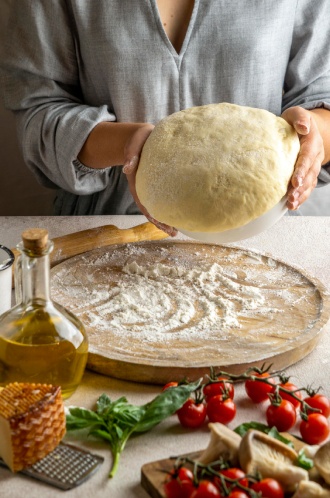
Fermentation is the final point in pizza-making where the outcomes for the crust are really pronounced. It occurs mostly looking and involving the slow development of flavor, structure, and digestibility long before the dough hits the oven. To apprehend and use methods of fermentation, one does not need precision tools; time is his only tool.
As yeast and bacteria ferment dough, the sugars are converted to gas and acids. The end goal of any fermentation is to heighten complexity. Good fermentation can bring about a rather mild acidulant state that will enrich flavor and also produce an even brownness of the crust. In an insufficiently fermented dough, one can see that it has expanded but the flavor, in a way, still tastes austere. The crumb will be very much tight, while the dull outer appearance will subtly enchant the toppings.
Time as an Ingredient
Time is often treated as a constraint, but in dough making it functions like an ingredient. Short fermentation can produce usable dough, yet it rarely produces memorable pizza. Longer fermentation allows enzymes to break down starches and proteins, releasing sugars that feed yeast and deepen flavour. This is why dough made in advance tends to taste fuller and more rounded.
Extended fermentation also improves texture. As gluten relaxes, the dough becomes easier to stretch without tearing. Air pockets form more naturally, leading to an open, irregular crumb rather than a uniform, bread-like interior. Rushing this stage often results in dough that resists shaping and bakes into a dense base.
Temperature and Control
Fermentation speed is strongly influenced by temperature. Warmer conditions accelerate yeast activity, while cooler environments slow it down. Neither approach is inherently better. What matters is control. Cold fermentation over one or two days encourages steady development and consistent results, while warm fermentation requires closer attention to avoid overproofing.
Overfermented dough can collapse, losing structure and becoming overly sour. Underfermented dough lacks gas retention and flavour. Learning to read signs such as volume increase, surface tension, and aroma helps balance timing and temperature. These cues matter more than strict schedules, especially in changing environments.
Flavour Beyond Yeast
Fermentation is not only about yeast. Naturally occurring bacteria also contribute to flavour development, especially in longer ferments. They introduce subtle acidity and complexity that cannot be replicated through additives. This layered flavour is what distinguishes dough that tastes finished on its own from dough that relies entirely on toppings.
Patience allows these processes to unfold. When fermentation is cut short, the dough may still function structurally, but it lacks depth. The result is a pizza that feels assembled rather than grown, where each bite reveals effort but not harmony.
Flour, Water, and the Structure of Texture
Texture acts like a tangible, lived test of dough success. This is what halts unruly slices from sagging or lenders from cracking, or the slices from maintaining contour. This starts with the choice of flour and hydration, the two forces that determine how gluten will form and moisture retained.
Flour contributes the structure. Its protein content gives an idea of how much gluten will be developed and how the dough gets stretchy. Water allows jazzed-up proteins to desegregate and link up, shaping the strands with elasticity as they stretch out! Together, the two remain necessary to strike some measure of balance between chewy and tender in a beautiful pizza.
Choosing Flour with Intent
Not all flour behaves the same way. Higher-protein flours create stronger gluten networks, suitable for longer fermentation and higher hydration. Lower-protein flours yield softer doughs that cook quickly but may struggle to support open crumb structures. Choosing flour is less about brand and more about matching protein levels to your process.
A mismatch can cause problems. Strong flour with short fermentation may feel rubbery. Soft flour with long fermentation may overextend and tear. Understanding how flour responds over time helps avoid these issues and leads to more predictable texture in the finished crust.
Hydration and Its Effects
Hydration refers to the ratio of water to flour, and small changes can have large effects. Higher hydration produces lighter, airier dough with a more open crumb, but it also requires careful handling. Lower hydration offers control and ease, yet can result in tighter texture if not compensated by fermentation.
Water content influences how heat moves through dough during baking. Well-hydrated dough gelatinises starches more effectively, contributing to a tender interior and crisp exterior. Insufficient hydration can leave the crumb dry, even if the crust browns properly.
Mixing and Gluten Development
Mixing initiates gluten formation, but more is not always better. Overmixing can overdevelop gluten, making dough tough and resistant. Undermixing leaves the structure weak, unable to trap gas effectively. The goal is alignment, not force.
Rest periods during mixing, often called autolyse, allow flour to absorb water fully and gluten to develop naturally. This reduces the need for aggressive kneading and improves extensibility. Texture benefits when strength is built gradually rather than imposed quickly.
Timing, Rest, and the Shape of Success
Dough does not respond well to constant handling. Rest is essential for both fermentation and shaping. Timing these pauses correctly influences how the dough behaves at every stage, from bench work to baking.
Rest allows gluten to relax. Without it, dough resists stretching and springs back, leading to uneven thickness and stress points. These flaws often reveal themselves in the oven, where weak spots blister or tear while dense areas remain undercooked.
Bulk Fermentation Versus Balling
The decision to ferment dough in bulk or as individual portions affects texture and workflow. Bulk fermentation promotes even development and efficient use of space. Balling later introduces structure and surface tension that help the dough hold shape during final proofing.
Balling too early can restrict expansion. Balling too late can leave dough slack and difficult to manage. The transition point matters. Well-timed balling results in dough that is both relaxed and resilient, capable of expanding in the oven without collapsing.
Rest Before Shaping
Cold dough resists stretching. Allowing dough to come closer to room temperature before shaping improves extensibility and reduces tearing. This rest also allows gases to redistribute, contributing to more even baking.
Skipping this step often leads to forced shaping, which pushes air out of the dough and compresses the crumb. The pizza may still bake, but it loses lightness and character. A short wait here protects the work done during fermentation.
Timing the Bake
Dough readiness influences baking behaviour. Underproofed dough may tear or blister excessively, while overproofed dough spreads and loses lift. Timing the bake requires recognising when the dough feels aerated but still elastic.
This balance determines oven spring, the final rise that occurs when dough hits high heat. Properly timed dough expands quickly, setting structure before moisture escapes. Poor timing results in flat or uneven crust, regardless of oven quality.
Common Dough Mistakes and What They Reveal
Mistakes in dough making often trace back to impatience or misreading signals. Identifying these errors helps refine technique and builds intuition over time.
- Using dough before fermentation is complete
- Overhydrating without adjusting handling
- Skipping rest periods during shaping
- Relying on fixed schedules instead of observation
- Compensating for weak dough with excessive toppings
Each of these issues reflects a misunderstanding of process rather than a lack of skill. Dough communicates through feel, smell, and appearance. Learning to interpret those signs reduces reliance on rigid formulas and improves consistency.
The Relationship Between Dough and Heat
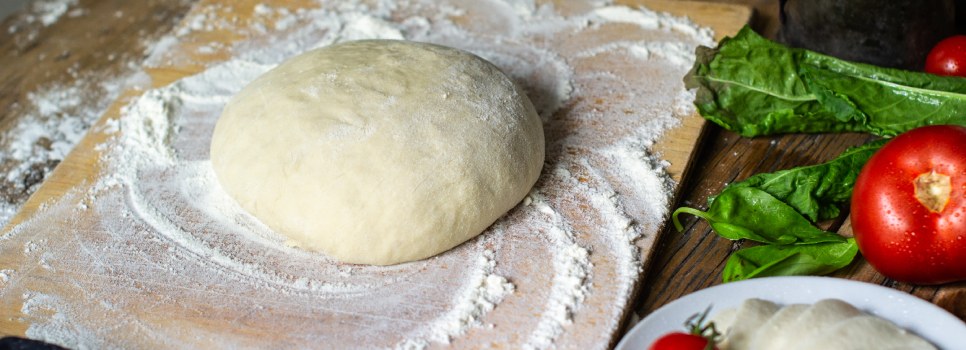
Heat reveals everything dough has become. The oven does not fix mistakes; it exposes them. Dough that has fermented well and developed balanced structure responds to heat predictably, expanding where it should and setting cleanly.
Strong dough tolerates high heat without drying out. Weak dough scorches or collapses. Hydration, fermentation, and shaping all influence how moisture moves during baking. When these elements align, the crust blisters lightly, the crumb sets softly, and the base cooks through without burning.
Oven Spring and Structure
Oven spring depends on trapped gas and flexible gluten. If fermentation has produced enough gas and gluten remains extensible, the dough rises rapidly in the first moments of baking. This expansion defines the crust’s final shape.
Insufficient fermentation limits spring. Overfermentation weakens structure. Both issues result in flatter pizzas with less textural contrast. Proper dough preparation creates the conditions for controlled expansion rather than hoping heat will compensate.
Moisture Retention
Water retention affects mouthfeel and shelf life. Well-prepared dough holds moisture in the crumb while allowing the crust to dry and crisp. Poorly prepared dough either dries completely or remains gummy inside.
This balance depends on hydration and fermentation working together. When starches gelatinise correctly, they trap moisture effectively. When proteins have relaxed through time, they set evenly. The result is a pizza that feels finished rather than rushed.
The Patience Beneath the Crust
The dough decides everything because it bears all the choices before the oven starts pissing out fire. The selection of the flour, water ratio, the length of the fermentation, rest all leave marks that cannot be eradicated by any topping. At the end of the time and attention into their making, the pizza pie would be more than a sum of assembled ingredients; its integrity is a process shaped and learned from with patience.