The Oven as a Cooking Partner
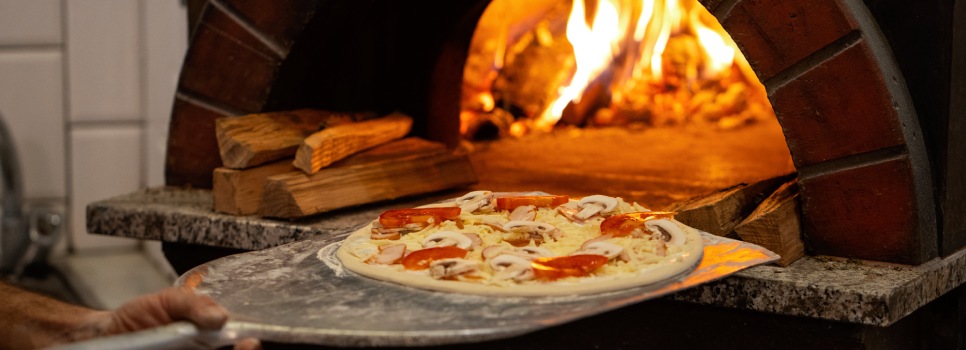
The oven often speaks as a backdrop, a mechanism almost accepted as a mere final gesture by the cook. With pizza in the equation, the situation changes rapidly-we begin to understand that the oven does not merely bake dough with some toppings; it makes the structure, imparts the flavor, removes the moisture at its pace, and determines the time in a manner quite unlike mere human hands could ever control. As with such insights, the practice of baking improves and takes on new meaning.
When the oven walks onto the scene, the control shifts over. Hands can shape potential, but they cannot let the potential develop as much as heat defines the bounds for it to do so. Thereby, the baker responds to the oven, while the oven responds to the baker-making a much-needed equilibrium that hardly any other foods require.
Heat as a Structural Force
Heat is often discussed in terms of temperature numbers, but in pizza it acts as a physical force. The moment dough meets intense heat, gases trapped during fermentation expand rapidly. This expansion creates oven spring, lifting the crust and forming the internal crumb structure. No amount of hand shaping can replicate this effect. Without sufficient heat, the dough spreads instead of rising, producing density rather than openness.
This structural transformation happens within seconds. The oven locks in the dough’s shape before gravity or moisture loss can collapse it. That is why pizzas baked in underpowered ovens often feel flat or heavy, regardless of how carefully the dough was prepared. The oven provides the speed and intensity required to preserve the dough’s internal architecture.
Timing That Humans Cannot Match
Pizza baking operates on a compressed timeline. In high-heat environments, the difference between underbaked and burnt can be measured in seconds. Human hands are too slow to manage this phase directly. Once the pizza enters the oven, the process becomes largely irreversible. The oven executes a sequence of reactions at a pace that no manual intervention could achieve.
This rapid timing is essential. Fast baking limits moisture migration, keeping the interior tender while allowing the exterior to set. Slower baking dries the dough before it can expand properly. The oven’s ability to deliver controlled, intense heat in a short window is what allows pizza to balance crispness and softness at the same time.
Consistency Beyond Human Variability
Even skilled hands vary slightly from one pizza to the next. Stretching pressure, topping distribution, and handling all change subtly over time. The oven introduces a stabilising factor. When properly managed, it delivers the same heat pattern again and again, compensating for small human inconsistencies.
Stone, Steel, and the Surface of Heat
The baking exterior, far from being neutral, can manipulate the shape and structure of pizza crusts. Stone, steel, and brick supply, release and absorb heat at a rate that hands can never replicate.
The choice of stone not only affects texture but also influences flavor and physical presentation. Once baked, the crust remains forever marked by impressions of their most vivid experience that is delivery an object having latent heat and the slices), thus making the baking exterior an integral part of the pie from beginning to completion.
Thermal Mass and Energy Storage
Stone and brick ovens are prized for their thermal mass. Once heated, they hold large amounts of energy and release it steadily. When a cold pizza is placed on a hot stone, heat flows rapidly into the dough. This immediate transfer sets the base before moisture can soak into the surface.
Hands cannot mimic this exchange. Even preheated pans lack the same depth of stored energy. Without sufficient thermal mass, the dough absorbs heat slowly, leading to pale or soggy bases. The oven surface acts as a reservoir, delivering a concentrated burst of energy exactly where it is needed.
Steel and Aggressive Heat Transfer
Steel behaves differently. It transfers heat faster than stone, producing rapid browning and strong charring. This makes it popular in home ovens that cannot reach traditional pizza temperatures. Steel compensates for lower air heat by intensifying contact heat.
This aggressive transfer requires careful control. Too much energy can burn the base before the top cooks. Yet when balanced correctly, steel allows bakers to achieve textures that would otherwise be impossible in domestic settings. The surface becomes a critical tool, not just a support.
Contact Heat Versus Ambient Heat
Pizza relies on two forms of heat working together. Contact heat from the surface cooks the base, while ambient heat from the oven air and ceiling cooks the top. Hands cannot coordinate these forces. Only the oven can maintain both simultaneously and in proportion.
If contact heat dominates, the base burns before the cheese melts. If ambient heat dominates, the top cooks while the base remains underdone. Successful pizza requires alignment between these heat sources, a balance managed through oven design and temperature control.
Fire, Flame, and Radiant Energy
Wood-oven baking sits between art and science, with the flames contributing an added dimension to the mix. Flames at a distance beyond mere heat source take the role of radiant energy welding fundamental features into the crust of the pizza. This sort of conversation between pizza and fire is archaic, though, in many ways.
Fire being unpredictable definitely bestows it superiority in some respects over its controlled counterparts, be it gas or electric machines. It happens mostly at the ground but can extend till the rolling brown peak for a few minutes. Understanding fire means understanding the trustworthiness of most traditional cases for churning out such specific textures and flavors.
Radiant Heat and Surface Blistering
Flames emit radiant heat that travels directly to the pizza’s surface. This heat causes rapid blistering of the crust and spotting on the rim. These visual markers are not cosmetic. They signal high-temperature reactions that contribute to flavour and aroma.
Radiant heat works faster than convective air heat. It targets exposed surfaces without relying on airflow. Hands cannot reproduce this effect, nor can slower ovens easily substitute for it. The flame’s presence changes how energy reaches the dough, creating textures unique to this environment.
Dynamic Heat Zones
Wood-fired ovens are not uniform. Different areas hold different temperatures, and the baker must read and respond to these zones. While this may seem like increased human control, it still depends on the oven’s characteristics. The baker moves the pizza, but the oven defines the available options.
These dynamic zones allow for fine adjustments during the bake. A pizza can be shifted closer to or farther from the flame to manage browning. Yet the underlying power remains with the fire. Hands guide placement, but heat dictates outcome.
Combustion and Subtle Flavour Effects
While most pizza flavour comes from dough and fermentation, fire contributes subtle aromatic notes. Wood combustion releases compounds that interact with the food surface. These effects are restrained but noticeable, especially on the crust.
This does not mean that fire automatically produces better pizza. Poorly managed flames can introduce bitterness or uneven cooking. However, when used well, fire adds a dimension that mechanical heat sources cannot fully replicate.
Temperature Control as Creative Constraint
Temperature control is often discussed as precision, but in pizza it also acts as a creative boundary. The chosen baking temperature determines what styles are possible and what compromises must be made. Hands adapt to these constraints, but they cannot remove them.
Different pizza traditions evolved around specific temperature ranges. Understanding this relationship clarifies why certain techniques succeed in one environment and fail in another.
High Heat and Short Bakes
At very high temperatures, pizzas bake in under two minutes. This speed preserves moisture and emphasises fermentation-driven flavours. The dough remains tender inside, with a thin, set exterior.
Such conditions demand restraint in topping and handling. Excess moisture or thickness becomes problematic. Hands must prepare the pizza with the oven’s limitations in mind, but the oven ultimately determines whether the balance holds.
Moderate Heat and Extended Baking
Lower-temperature ovens require longer bakes. This allows more time for moisture to escape and for toppings to cook thoroughly. The resulting pizzas tend to be firmer and more structured.
In these conditions, dough formulation and thickness must change. Hands adjust hydration, shaping, and topping strategy, but the oven defines the rhythm. Attempting high-heat styles at low temperatures often leads to disappointment because the oven cannot perform its role quickly enough.
Stability Versus Fluctuation
Consistent temperature produces predictable results. Fluctuating heat introduces variability that can challenge even experienced bakers. While some variation is manageable, large swings disrupt timing and structure.
Hands can react, but they cannot correct fundamental instability. Reliable temperature control allows skill to shine. Unstable heat forces constant compensation, often masking the effects of good preparation.
The Oven’s Final Authority
Once the pizza enters the oven, decision-making largely ends. The baker observes, rotates, and removes, but cannot alter the core process. The oven executes a sequence of physical and chemical changes that hands initiated but cannot complete.
This transfer of authority is central to pizza’s identity. It is a food where preparation and execution are distinctly separated, yet equally important.
Irreversibility of Heat Reactions
Baking triggers reactions that cannot be undone. Starch gelatinisation, protein coagulation, and browning reactions all proceed in one direction. Hands cannot pause or rewind them. Timing becomes everything.
This irreversibility demands trust in the oven. Preparation must anticipate what heat will do, not respond to it afterward. This forward planning distinguishes pizza from foods that allow ongoing adjustment during cooking.
Visual Cues and Human Judgment
Despite the oven’s dominance, human judgment still matters at the edges. Visual cues such as colour, blistering, and melt guide the decision to remove the pizza. These cues are interpreted by the baker, not the oven.
Yet these judgments rely on the oven behaving as expected. If heat delivery is inconsistent, visual signals lose reliability. The partnership works only when both sides perform their roles.
The Quiet Power Behind the Pie
Pizza is oftentimes described as simple, but simplicity is deceitful. To really make good pizza, you need an oven that bozes on its own and to which no set of hands could ever make an adjustment. Heat brings structure, the stone lays down the foundation, fire fashions the surface, and temperature control rules timing. The cook sets the stage, yet the oven truly works miracles. The balance between these things explains why pizza is one of the few dishes where the tool is regarded as a partner instead of a subordinate.